
Within the framework of the project “Climate-smart forest management” LIFE19 CCA/SK/001276, WWF is working to adapt forests to climate change. One of the goals is to monitor whether the implemented adaptation measures have an impact on the flora and fauna.
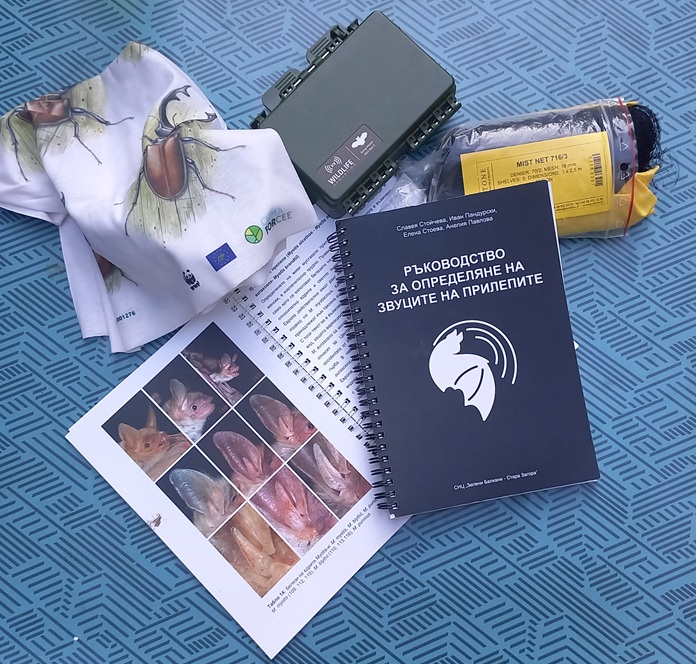
For the results of the monitoring to be reliable, it must be conducted over a long period of time and follow a certain methodology. The monitoring is tailored with the ecological characteristics of each of the observed species and under similar conditions, so that the data are consistent. Field visits are during the season when the relevant animal groups are active: birds, saproxylic beetles and bats. The observed species are rare and/or protected and their presence is a sign of healthy ecosystems.
To have comparability of the data, they are collected in three types of forest sub-compartments:
- Monitoring sub-compartments – those in which our partner, the Southwestern State Forest Enterprise (SWSFE), carries out thinning activities to improve the structure of artificial stands of Scots pine, affected by various natural disturbances (such as windfalls) and/or calamities (pathogenic fungi and bark beetles). The thinning of pine trees carried out by SWSFE supports the development of natural vegetation, which is more resistant to climate change. Many of these artificially created forests are in atypical locations for them and this, together with climate change, is among the main reasons why they are increasingly damaged and drying out.
- Reference sub-compartments – 1 – sub-compartments with very similar characteristics to the monitoring sub-compartments in terms of age, soil, exposure, etc. It is important that logging activities are not carried out in them during the remaining years of the project, so as not to affect monitoring and the condition of the habitat.
- Reference sub-compartments – 2 – natural forests with characteristics like those of the monitoring sub-compartments in terms of age, soil, exposure, etc. It is important that logging activities are not carried out in them during the remaining years of the project, so as not to affect monitoring and the condition of the habitat.
All collected data are processed and included in reports. The second project report, containing data for the period 2022-2024, can be found here. The report contains summarized information for Bulgaria and Slovakia. The more interesting observations are described below.
Conclusions from the monitoring of biodiversity
The monitoring has been implemented since 2022, and the prescribed measures for adaptation of the affected forests – conducting of thinning activities, the effect of which is subject to monitoring, were carried out in 2023 and 2024.
Given that forest ecosystems are complex and the processes in them take place over longer periods, it is still difficult to draw definitive conclusions as to whether the species subject to monitoring have been affected by the interventions carried out. With the change in the species composition from coniferous to deciduous, it is expected that in the coming years the prerequisites will be created for these species to spread in the monitoring sub-compartments.
The differences between the registered species in forest sub-compartments with artificial coniferous stands and natural forests are more visible. The figures in the report show that the target species, with minor exceptions, are registered mainly in forests of a natural character. This is not surprising, because most of them are associated with life in old-growth forests with a diverse structure.
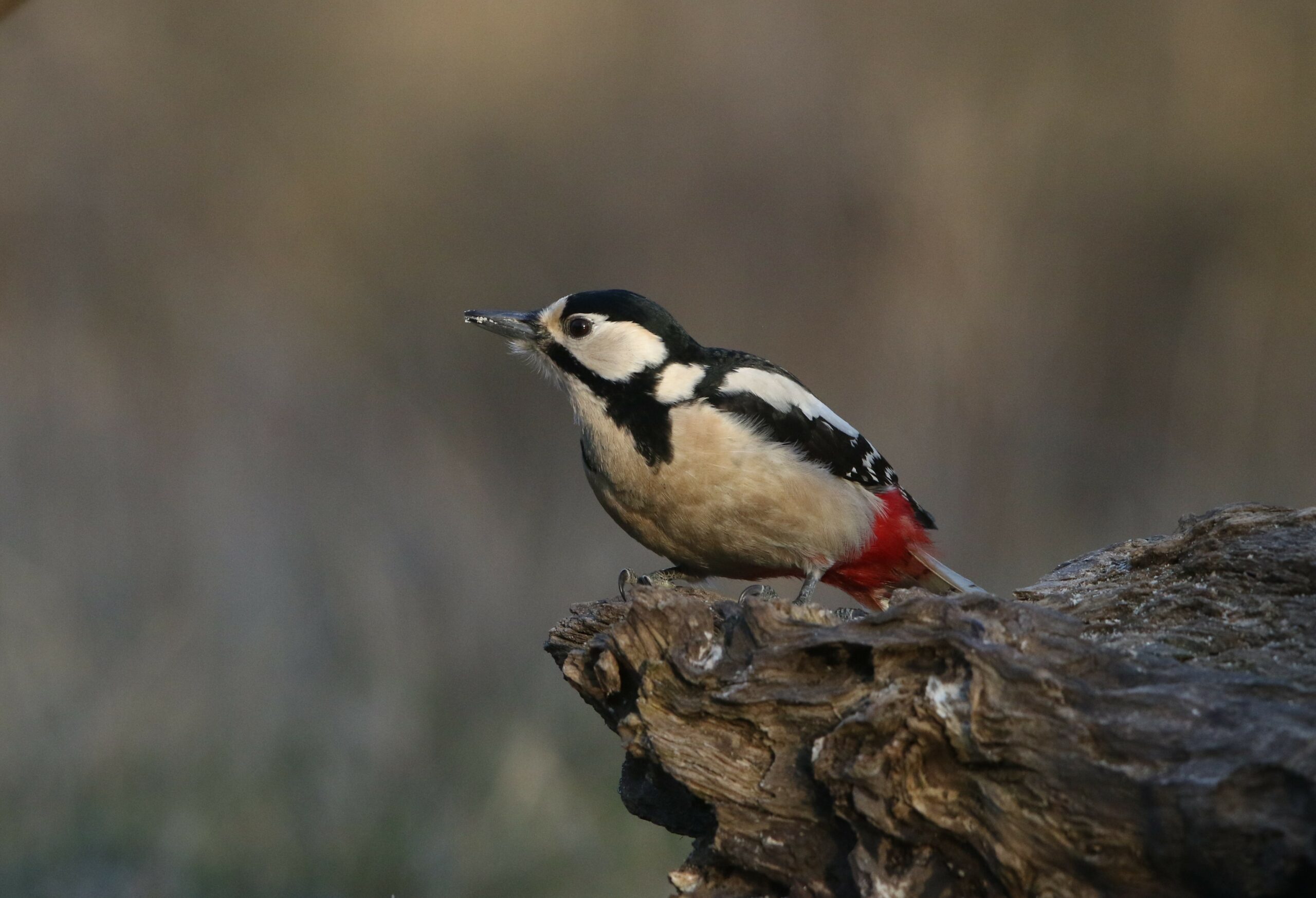
Among the more interesting bird species detected during the monitoring are: White-backed Woodpecker (Dendrocopos leucotos), Syrian Woodpecker (Dendrocopos syriacus), Black Woodpecker (Dryocopus martius), Gray Flycatcher (Muscicapa striata), Common Redstart (Phoenicurus phoenicurus) and Gray Woodpecker (Picus canus).
A total of 19 species of bats were identified, including: Barbastella barbastellus, Pipistrellus pipistrellus, Pipistrellus pygmaeus, Nyctalus leisleri, Nyctaus noctule, Plecotus auritus, Myotis bechsteinii.
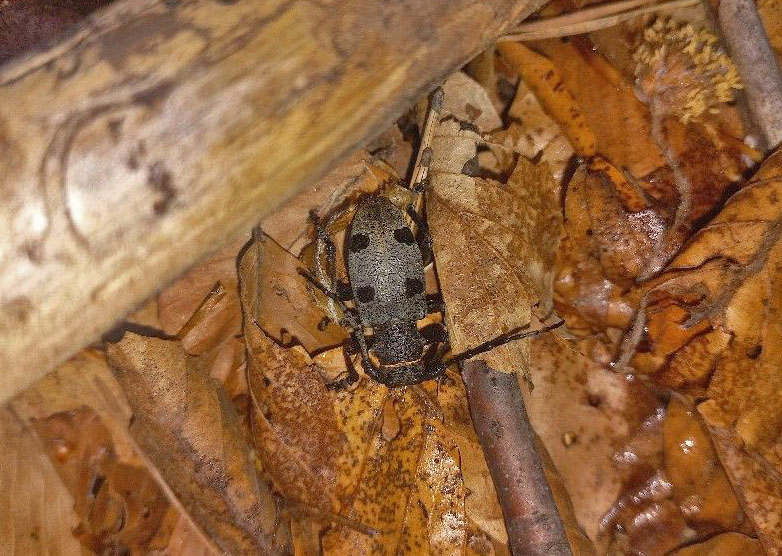
4 out of 6 target species of saproxylic beetles have also been registered: Rosalia alpin, Cerambyx cerdo, Cucujus cinnaberinus, Morimus funereus, Lucanus cervus, as well as some species of national importance, such as the Carabus intricatus.
Experts participating in the monitoring expect that by the end of the project in 2027, a large part of the artificial pine plantations will begin to acquire the character that the project is striving for, and that increasingly greater species diversity will be observed in them.
Photos:
Dendrocopos major: Yana Barzova
Field equipment: Yana Barzova
Morimus funereus: Rostislav Bekchiev