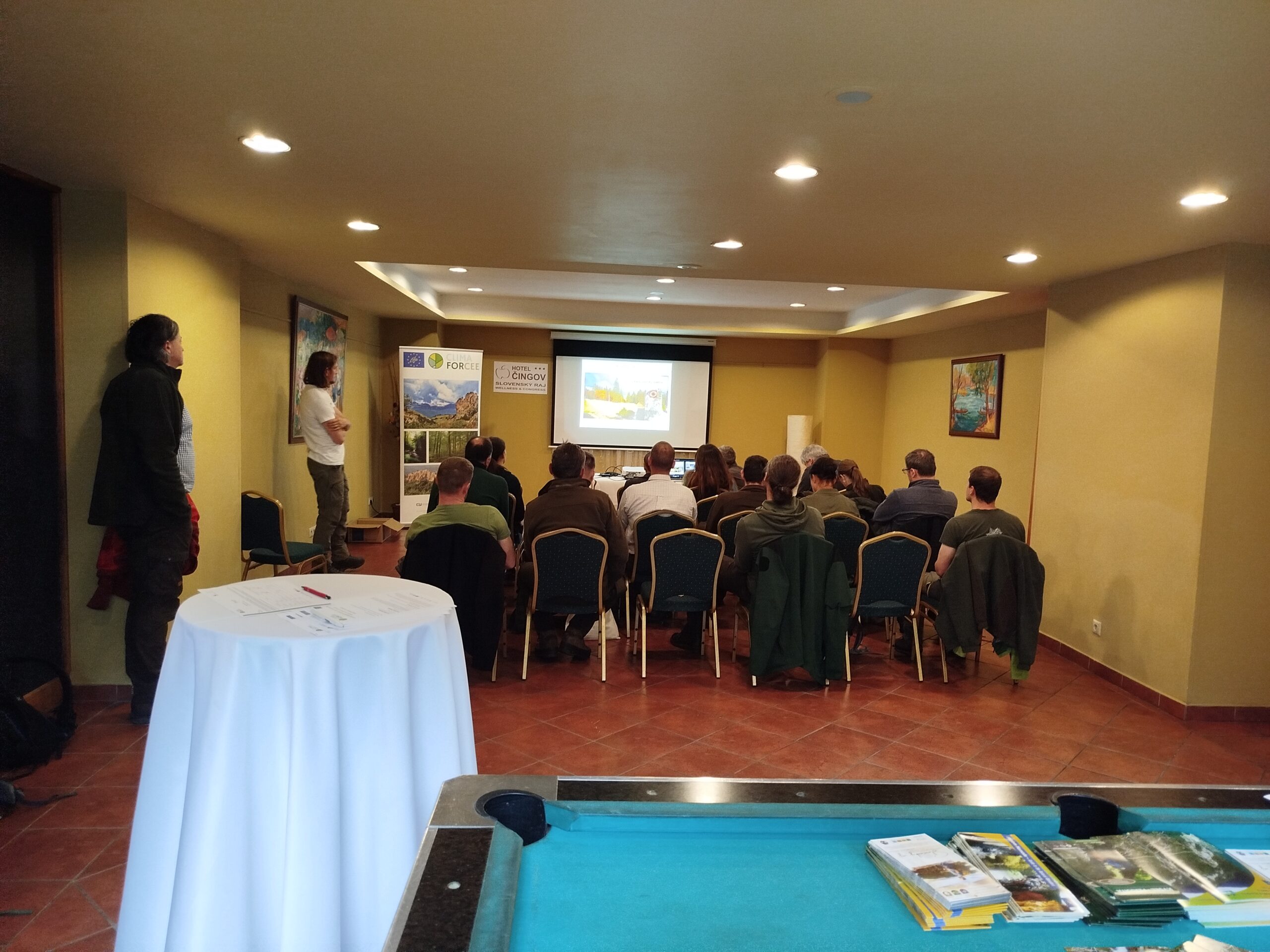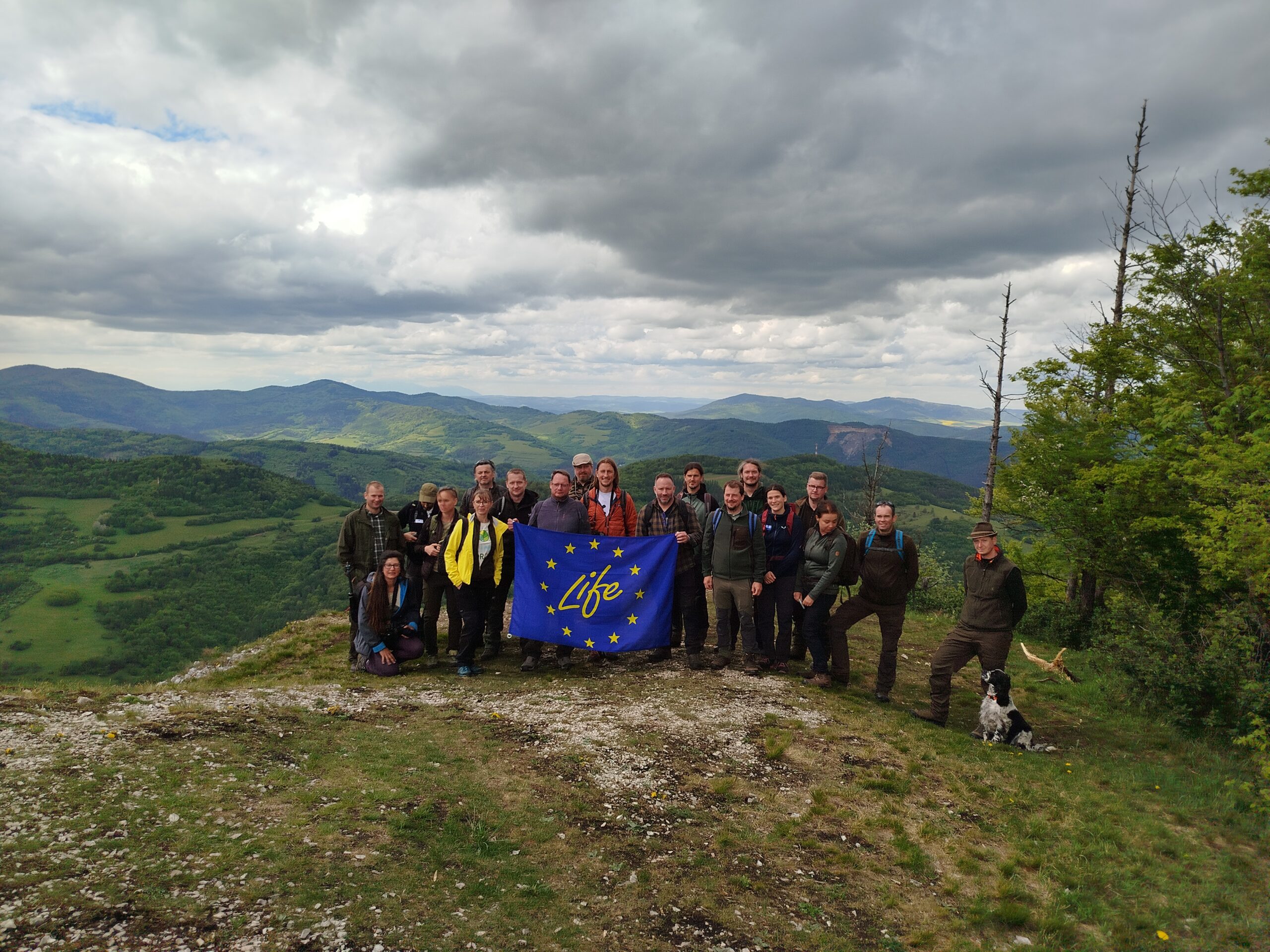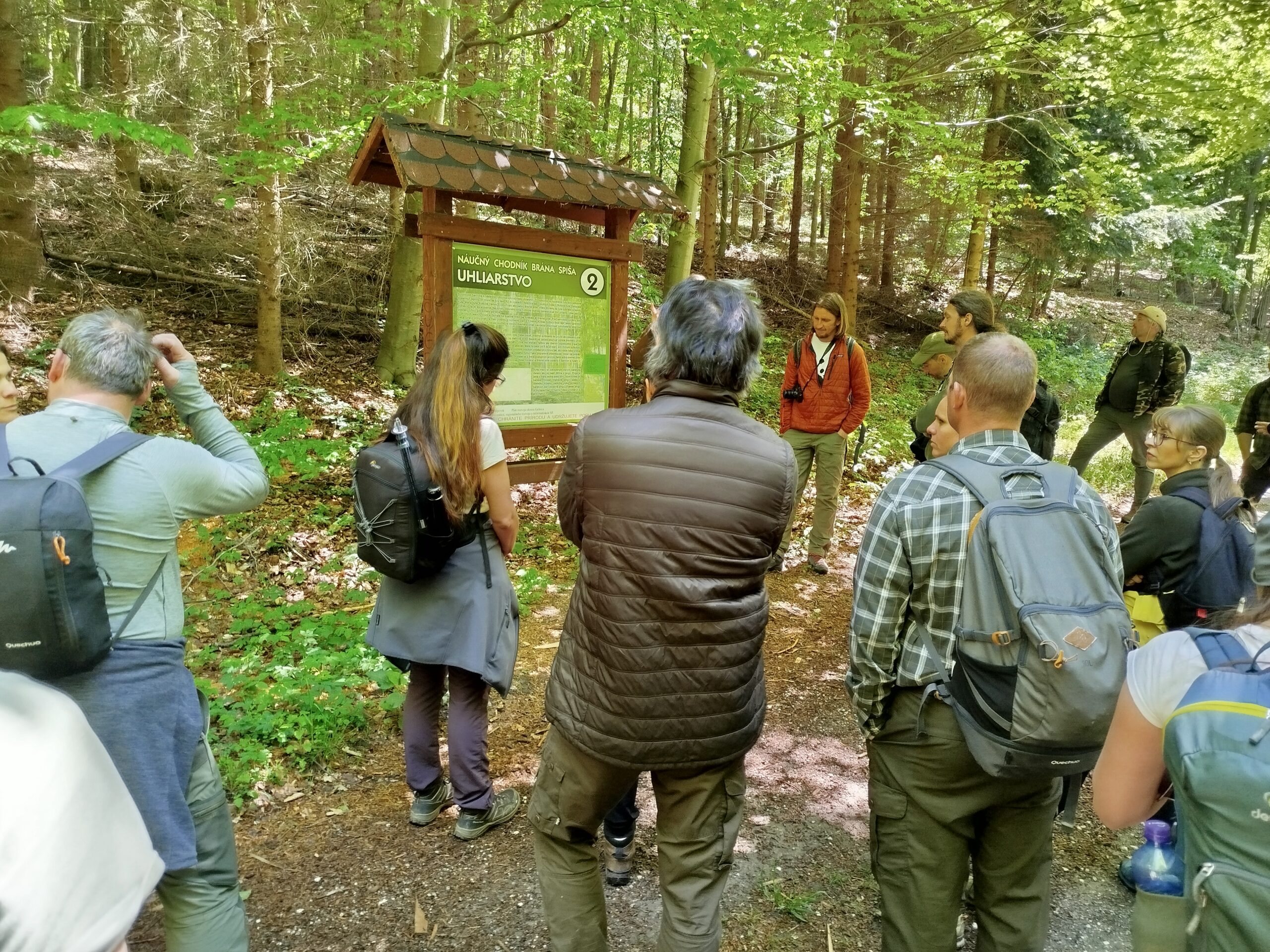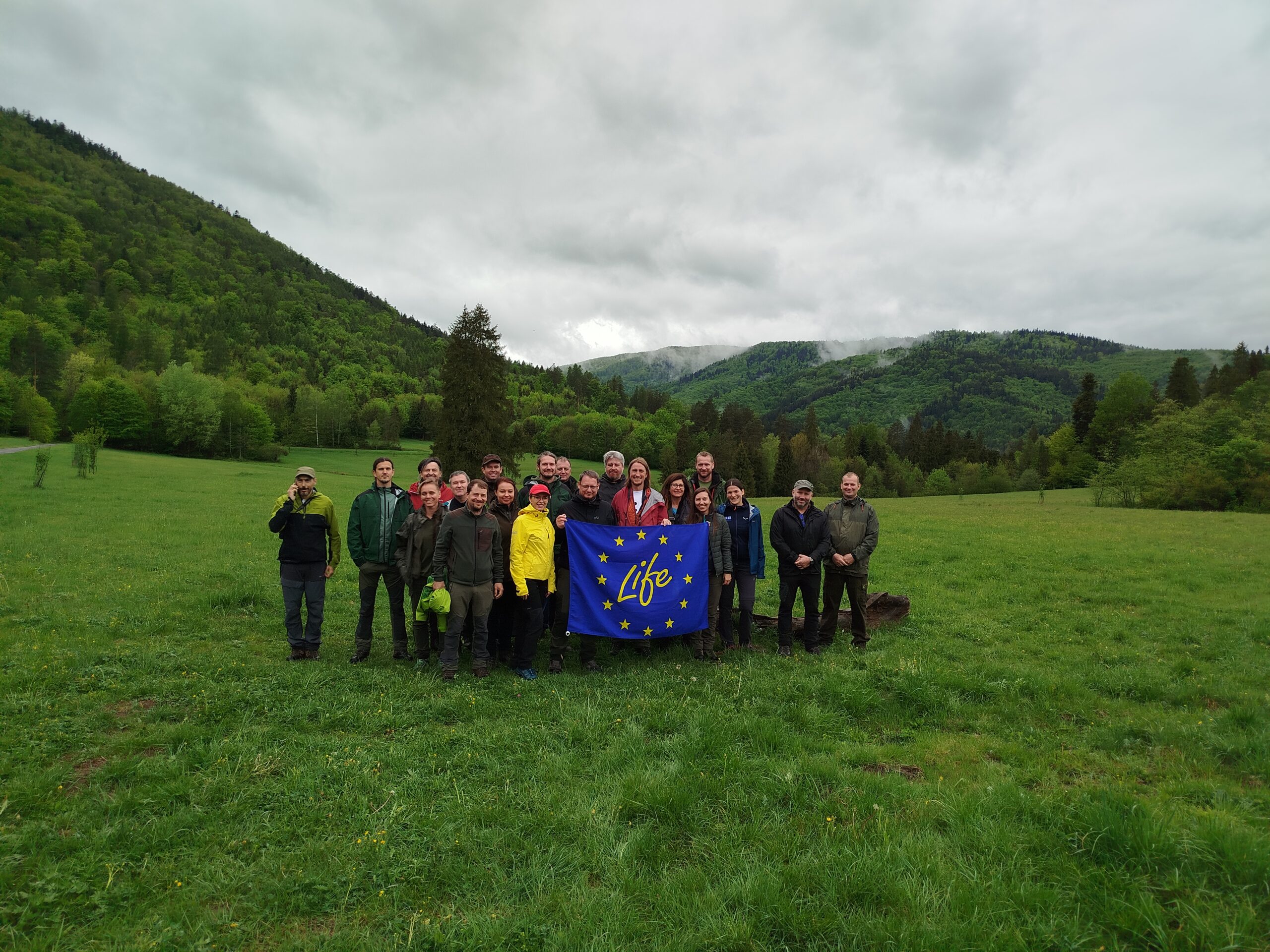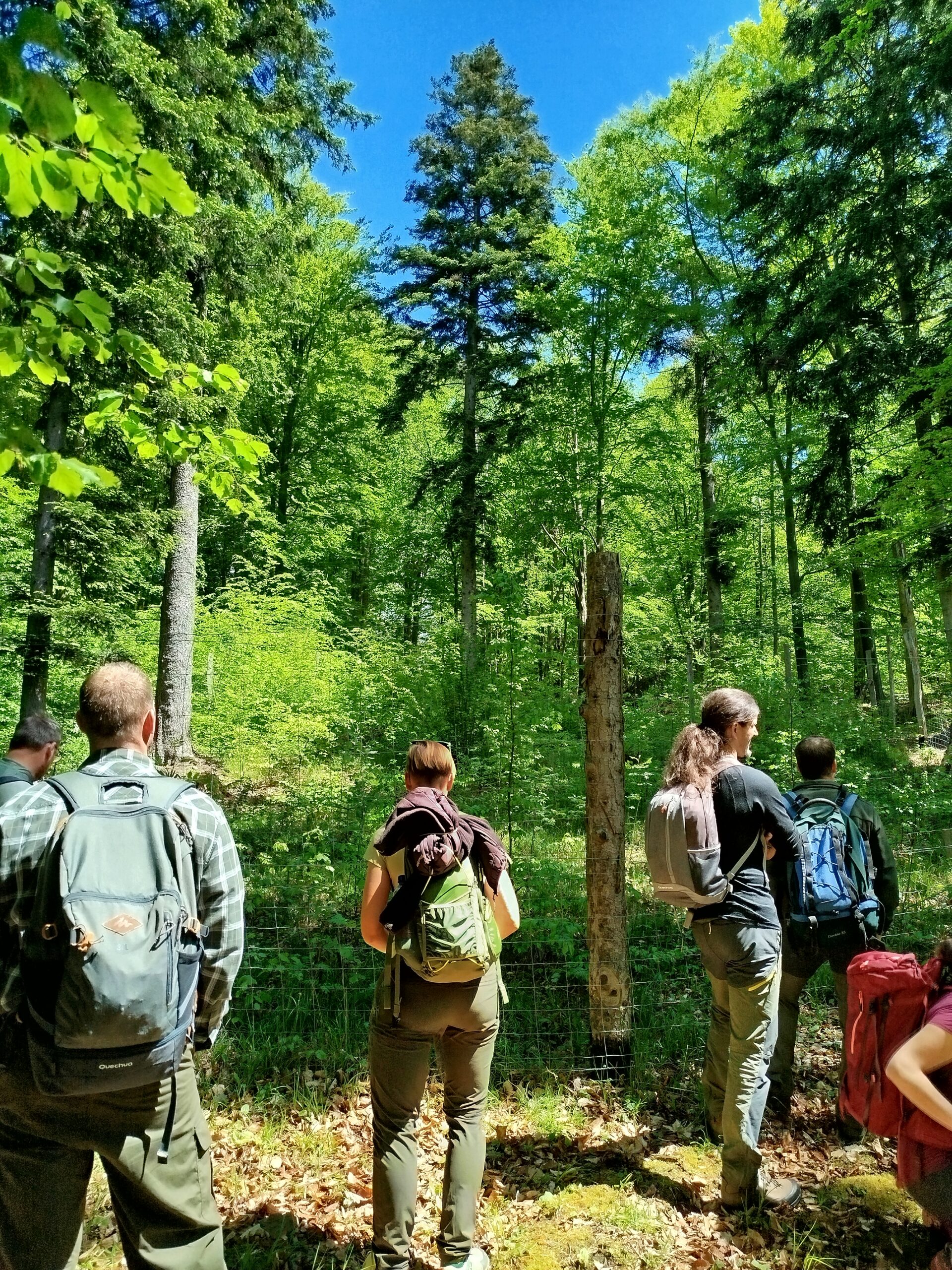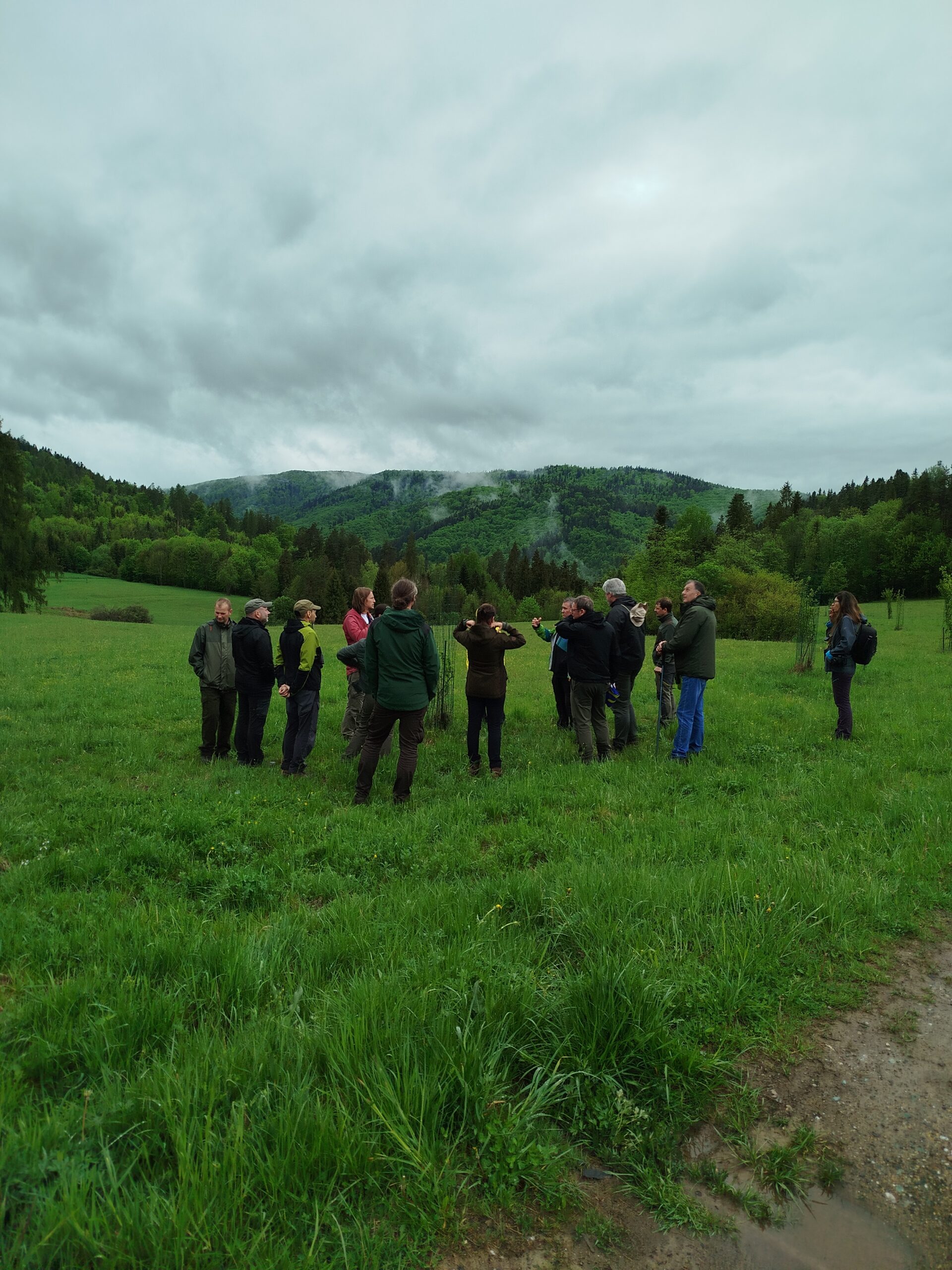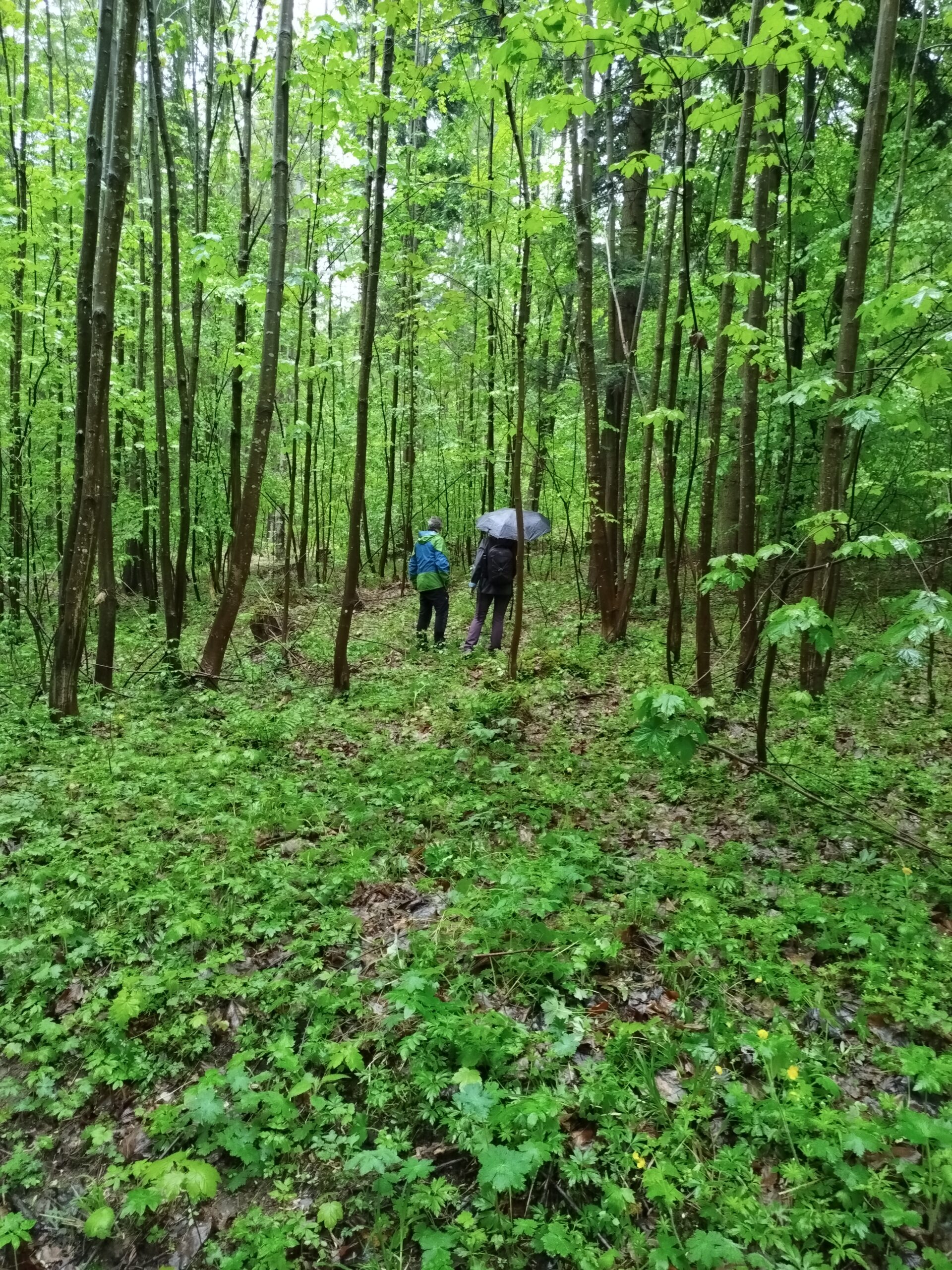

In May 2026, we organized the second professional study tour in Slovakia of the CLIMAFORCEE LIFE project, welcoming foresters, researchers, and nature conservation experts from several European countries. Participants visited Slovak Paradise National Park and the fir-beech forests of eastern Slovakia, where they had the opportunity to observe practical examples of Close-to-Nature Forest Management (CNFM) and other adaptation measures aimed at increasing the resilience of forest ecosystems to climate change.
What Does “Close-to-Nature” Mean?
CNFM is based on a simple idea: to imitate what forests naturally do themselves. Instead of even-aged monocultures that may collapse simultaneously following a single windstorm, this approach promotes structurally diverse forests with a mixture of tree species and age classes. Such forests are capable of regenerating naturally and tend to be more stable in the long term.
An important development is that since 2023, the application of CNFM principles has been legally required in Zone C of Slovak national parks. This has transformed the concept from an abstract principle into everyday management practice. During the excursion, Slovak Paradise National Park was presented as an area where this approach is being successfully implemented, thanks in part to cooperation with both state and private forest owners and to compensation mechanisms—such as compensation for economic losses, lump-sum payments, and land exchanges—that help make management restrictions acceptable for forest owners.
From Even-Aged Forests to Diverse Structures
In the Smižany forest unit, participants were introduced to examples of forest transformation through the gradual conversion of even-aged stands into forests with greater age and species diversity.
Particular attention was paid to young stands, where cleaning and thinning operations are used to support promising trees and underrepresented species, especially silver fir, oak, and valuable broadleaved species. At the same time, pioneer species such as birch and rowan are retained, contributing to a more diverse vertical and horizontal stand structure.
Forests managed in this way demonstrate greater resilience to drought, wind disturbances, and other impacts of climate change.
Game as an Invisible Barrier – and How to Measure It
Considerable attention was devoted to the impact of ungulates on forest regeneration. Comparative plots with and without protective fencing were used to demonstrate differences in the condition of natural regeneration, allowing for an objective assessment of browsing damage and providing important data for setting game management and hunting plans.
Participants also observed various methods of protecting young trees, including individual tree guards, group fencing systems, and protective clips combined with wool for safeguarding terminal shoots.
The examples clearly showed that without appropriate regulation of game populations, successful forest regeneration can be significantly constrained, creating a major obstacle to climate adaptation. These findings also highlight the importance of maintaining balanced relationships within forest ecosystems, including stable populations of large carnivores that contribute to the natural regulation of ungulate numbers and behaviour.
New Tree Species and Experimental Plots
In Hrabušice, attention focused on the risks associated with artificial forest regeneration and on testing tree species with greater drought tolerance potential, such as European larch.
The visit also included demonstration plots established by the Technical University in Zvolen (TUZVO), where long-term monitoring is carried out to assess growth dynamics, changes in species composition, and ecosystem responses to climate change.
Such data are essential for evaluating and continuously improving adaptation strategies.
Not Only Forests, but the Wider Landscape
Climate adaptation does not stop at trees.
At the Vyšný Turník and Nižný Turník sites, participants observed the creation of aquatic microhabitats for amphibians, the planting of fruit-bearing trees as a food source for wildlife, and the restoration of grasslands through mowing and mulching.
A more diverse landscape mosaic is better able to withstand climate extremes while providing habitat for a wider range of species.
Proof That It Works in the Long Term: Veľký Folkmar
In the Volovské Hills, within the municipal forests of Veľký Folkmar, selection forestry has been practiced since 2015. This period is long enough to demonstrate tangible results.
Forests here regenerate naturally under continuous canopy cover, high-quality target trees are cultivated, and large-scale regeneration fellings are avoided. As a result, the forest has become more diverse and stable while remaining economically viable.
An additional benefit is the provision of ecosystem services, particularly water retention. Thanks to these functions, the municipality has access to a reliable source of high-quality and affordable water.
Small-scale measures also contribute, including water bars with infiltration pits along forest roads and the retention of habitat trees until natural death. These practices support biodiversity while providing a source of high-quality reproductive material for natural regeneration.
The nearby Folkmarská Skala Nature Reserve, left to develop without active intervention, illustrates how forests evolve naturally. Its high proportion of deadwood and undisturbed ecological processes complement the habitat mosaic of the area and create valuable conditions for biodiversity conservation.
Key Takeaways
Forest adaptation to climate change cannot rely on a single universal solution. Instead, it requires a combination of approaches, including close-to-nature forest management, active biodiversity management, research, game regulation, and support for diverse landscape mosaics.
The examples presented during the excursion also demonstrated the importance of international knowledge exchange among forestry practitioners, researchers, and nature conservation professionals.
Forest transformation takes place over decades, and successful adaptation depends on systematic management, long-term monitoring, and continuous evaluation of results.